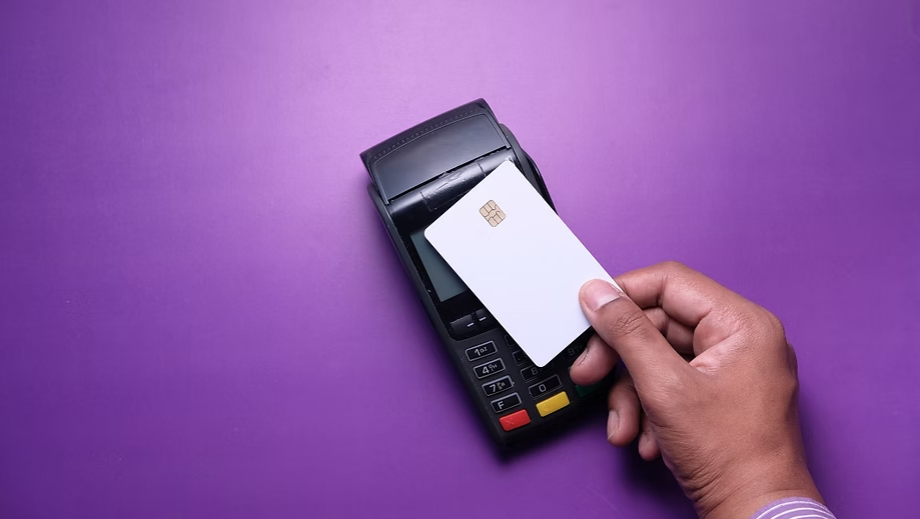
For most people, contactless London transport is the easiest way to move around the city. Instead of buying a paper ticket for every journey, you can simply use a contactless bank card or a mobile device such as a phone or watch. It works across the Tube, buses, trams, DLR, London Overground, Elizabeth line, river bus services, and most National Rail services within Zones 1 to 9. It is also usually cheaper than buying paper single or return tickets.
That convenience matters in London because daily travel is rarely identical from one day to the next. One day might involve the Tube to class, a bus to meet friends, and a train home later in the evening. Another day might only involve one short journey. Contactless works well because it adapts to that pattern without asking you to decide in advance which ticket product makes the most sense.
The system is straightforward. On buses and trams, you only tap in at the start of the journey. On Tube, rail, DLR, London Overground, and Elizabeth line journeys, you tap in at the start and tap out at the end so the correct fare can be calculated. If you forget to tap out where required, you can be charged a maximum fare instead of the correct one.
Use the same card or the same device every time
This is the most important rule. You must use the same contactless card or the same device for the whole journey. If you tap in with your phone and tap out with your watch, or switch between a plastic card and the mobile-wallet version of that same card, the system may treat them as separate payment methods. That can stop your fares from combining properly and may prevent caps from applying as expected.
No need to buy tickets before you travel
Contactless works on a pay as you go basis, which means you only pay for the journeys you actually make. That is why it is so useful for students, visitors, and anyone whose plans change throughout the day.
The biggest advantage is that it combines simplicity with automatic fare protection. You do not need to queue at a machine, choose a fare product first, or worry about overpaying on a day with multiple journeys. Pay as you go with contactless is usually cheaper than paper singles, and if you make several eligible journeys in one day or week, the cap can make it even better value.
Daily and weekly caps make frequent travel easier
A daily cap limits what you pay over one travel day, running from 04:30 to 04:29 the next day. A weekly cap limits what you pay from Monday to Sunday. Once you reach the cap for the zones and transport modes you have used, further eligible travel in that period does not cost more.
For Tube, DLR, London Overground, Elizabeth line, and most National Rail services in London, the current adult caps are:
| Zone range | Daily cap | Weekly cap |
|---|---|---|
| Zone 1 only | £8.90 | £44.70 |
| Zones 1–2 | £8.90 | £44.70 |
| Zones 1–3 | £10.50 | £52.50 |
| Zones 1–4 | £12.80 | £64.20 |
| Zones 1–5 | £15.30 | £76.40 |
| Zones 1–6 | £16.30 | £81.60 |
If you only use buses and trams, the adult pay as you go fare is £1.75, the daily cap is £5.25, and the weekly cap is £24.70. The Hopper fare also allows unlimited bus and tram journeys within one hour of the first touch in for the same £1.75 fare.
Contactless does not mean every journey costs the same. On Tube and rail-based services, fare levels still depend partly on when you start travelling.
Peak times apply to busy weekday periods
Peak fares usually apply from 06:30 to 09:30 and again from 16:00 to 19:00, Monday to Friday, excluding public holidays. Off-peak fares apply at other times. Night Tube and London Overground Night Service journeys are charged at off-peak rates.
Some services sit outside standard caps
A few routes work differently. Heathrow Express and Southeastern high-speed are outside the normal fare caps, so they do not follow the same capped structure as most London journeys. Heathrow trips can also vary depending on the route used and whether Zone 1 is involved.
For many travellers, contactless is the easiest option because you can use what you already have and start travelling immediately. There is no separate travel card to buy, and the daily capping structure works in the same general way as pay as you go on Oyster.
When contactless makes more sense
Contactless usually works best if your card is accepted without problems, you want the quickest setup, and your bank does not add overseas transaction fees. That makes it especially practical for short stays, flexible travel days, and people who do not want to manage a separate transport budget.
When Oyster can still be the better choice
Oyster can still make more sense if you prefer to keep your travel budget separate, if you do not want to use your bank card directly, or if your bank may apply extra fees on international transactions. A standard Oyster card currently costs £10 before any pay as you go credit or Travelcard is added. Children aged 11 to 15 can also get free or discounted travel with the right Zip Oyster photocard options, while contactless does not provide those same child discount routes.
Most contactless problems come from a few repeated mistakes rather than from the system itself.
Switching devices mid-journey
This is the most common one. If you change from one card or device to another, the system may not link the journey correctly. That can affect both your fare and your cap.
Forgetting to tap out
On Tube and rail journeys, forgetting to tap out can lead to a maximum fare and can stop the journey from being counted properly towards caps. Buses and trams are different because you only tap in once at the start.
Ignoring overseas bank charges
Many non-UK cards will work, but that does not always mean they are the cheapest option. Foreign transaction fees or conversion charges can make contactless less attractive if you are using an overseas account.
Once transport feels simple, London becomes easier to enjoy. You are more likely to try a new neighbourhood, go to an event across town, or say yes to plans that are not within walking distance. Easy travel makes the city feel more open.
That is where ZYMIX fits naturally. Contactless makes it easier to get around London, while ZYMIX gives you more reasons to go by helping you discover local events, neighbourhood activity, and experiences that are actually worth travelling for.
Contactless London transport works well because it matches the way London actually moves. It is fast, flexible, and built for people who do not want to keep thinking about tickets every time they travel. The most important things to remember are simple: use the same card or device throughout, tap out where required, and understand how caps and peak fares work. Once those basics are clear, getting around London becomes much easier and usually much better value than paper tickets.
Can I use a contactless bank card on London transport?
Yes. You can use a contactless bank card or a mobile device such as a phone or watch on London’s main public transport services.
Is contactless cheaper than paper tickets in London?
Yes. Pay as you go with contactless is usually cheaper than paper single or return tickets, and it also includes daily and weekly capping.
What is the daily cap for contactless London transport?
For rail-based travel, the daily cap is £8.90 for Zone 1 only and Zones 1–2, £10.50 for Zones 1–3, £12.80 for Zones 1–4, £15.30 for Zones 1–5, and £16.30 for Zones 1–6. Bus and tram only travel is capped at £5.25 per day.
Do I need to tap out with contactless in London?
Yes for Tube, rail, DLR, London Overground, and Elizabeth line journeys. No for buses and trams, where you only tap in at the start.
Can I tap in with my phone and tap out with my card?
No. You should always use the same card or the same device for both tap in and tap out, otherwise you may be charged incorrectly and your fares may not count properly towards caps.