It was a Monday morning following one of those rare weekends when favourable weather encouraged people to spend their time outdoors rather than completing the endless list of practical tasks that modern life inevitably generates. Between social commitments, family activities, festivals, travel, exercise and the increasingly precious pursuit of simply disconnecting from work or studying, many consumers had postponed the purchases that quietly accumulated throughout the week: groceries, household necessities, school supplies, personal items and the countless small purchases that support everyday life.
The morning commute had effectively become the moment of catch-up.
Looking around the carriage, it was clear that people were using those otherwise unproductive minutes to complete purchases they had not managed to make over the weekend. One passenger was selecting fresh produce for the week ahead. Another was comparing lunch containers. A student appeared to be ordering stationery in preparation for end-of-year examinations. Elsewhere, consumers were reviewing products they had discovered online days earlier and were finally finding the time to purchase.
What stood out was not the diversity of products being purchased, but rather the fact that every transaction was taking place through a digital channel.
This behavioural shift should not surprise anyone. Consumers who have become comfortable purchasing vehicles online without setting foot in a showroom, securing rental properties after viewing little more than a short video walkthrough, or arranging major financial and lifestyle decisions entirely through digital interfaces are unlikely to view the purchase of everyday consumer goods as an activity requiring a physical visit to a store. The convenience, predictability and efficiency offered by digital commerce have fundamentally altered expectations around how products are discovered, evaluated and purchased.
Yet while the e-commerce industry has successfully addressed the challenge of access, it has also exposed a second, increasingly defining constraint on consumer behaviour, one that is less about time itself and more about patience.
Modern consumers are no longer simply short on time; they are intolerant of friction, and increasingly expect every digital interaction to feel immediate, intuitive and uninterrupted. In this context, every additional click, page refresh, platform redirect, account creation requirement, forgotten password reset or authentication step introduces incremental friction into what consumers now expect to be a seamless journey. Individually, these interruptions may appear negligible, yet collectively they create a level of complexity that is fundamentally misaligned with the speed at which people now consume information, make decisions and engage with digital environments.
The consequences are evident across the digital economy. Cart abandonment rates remain persistently high, customer acquisition costs continue to rise, and brands face growing pressure to create increasingly seamless experiences that minimise points of friction between discovery and conversion. In a marketplace where attention has become one of the world's most valuable commodities, consumers frequently abandon their cart not because they lack intent to purchase, but because the purchasing process itself demands more effort than they are willing to invest.
Just one short journey on the tube reveals just how fragmented the modern digital experience has become.
A young professional received a message informing her that a guest attending an upcoming dinner had a gluten intolerance, prompting an immediate search for gluten-free flour for the pizzas she intended to prepare later in the week. Moments later, she was watching a video where a kitchen appliance caught her attention, leading her to open another application to compare specifications, reviews and prices. Before that process was complete, a friend contacted her through another social media platform to ask whether she had replaced a water bottle lost during a festival the previous weekend, triggering yet another product search across yet another platform.
Within the space of just a few minutes, she had moved between messaging applications, video platforms, social networks, product review sites and e-commerce stores, each requiring its own navigation patterns, search functionality and user experience. The purchasing decisions themselves were relatively straightforward; the challenge lay in managing the fragmented digital environment through which those decisions had to be executed.
This increasingly represents the defining paradox of modern digital life. Consumers have access to more services, platforms and products than at any point in history, yet navigating those options often requires moving through a maze of disconnected applications that were never designed to work together as part of a cohesive experience.
For Generation Z and younger audiences in particular, this fragmentation is becoming increasingly annoying. Their digital lives do not exist in separate categories. Social interaction, entertainment, shopping, event planning, community participation and everyday communication happen simultaneously, often within the same moments and through the same device. As a result, expectations are shifting away from standalone applications and towards connected ecosystems capable of supporting multiple aspects of daily life within a single experience.
This is where we believe the next chapter of connected living is headed. At ZYMIX, we see the future being shaped by a single SuperApp, that delivers an intuitive, integrated digital experience, uniting communication, communities, planning, entertainment, and commerce within a single ecosystem rather than across disconnected platforms.
This philosophy sits at the centre of our vision.
Our ambition extends beyond building another social platform, another community application or another marketplace. We are developing an app designed around the realities of contemporary digital behaviour, recognising that modern users do not need more apps competing for their attention, but fewer destinations capable of delivering more value.
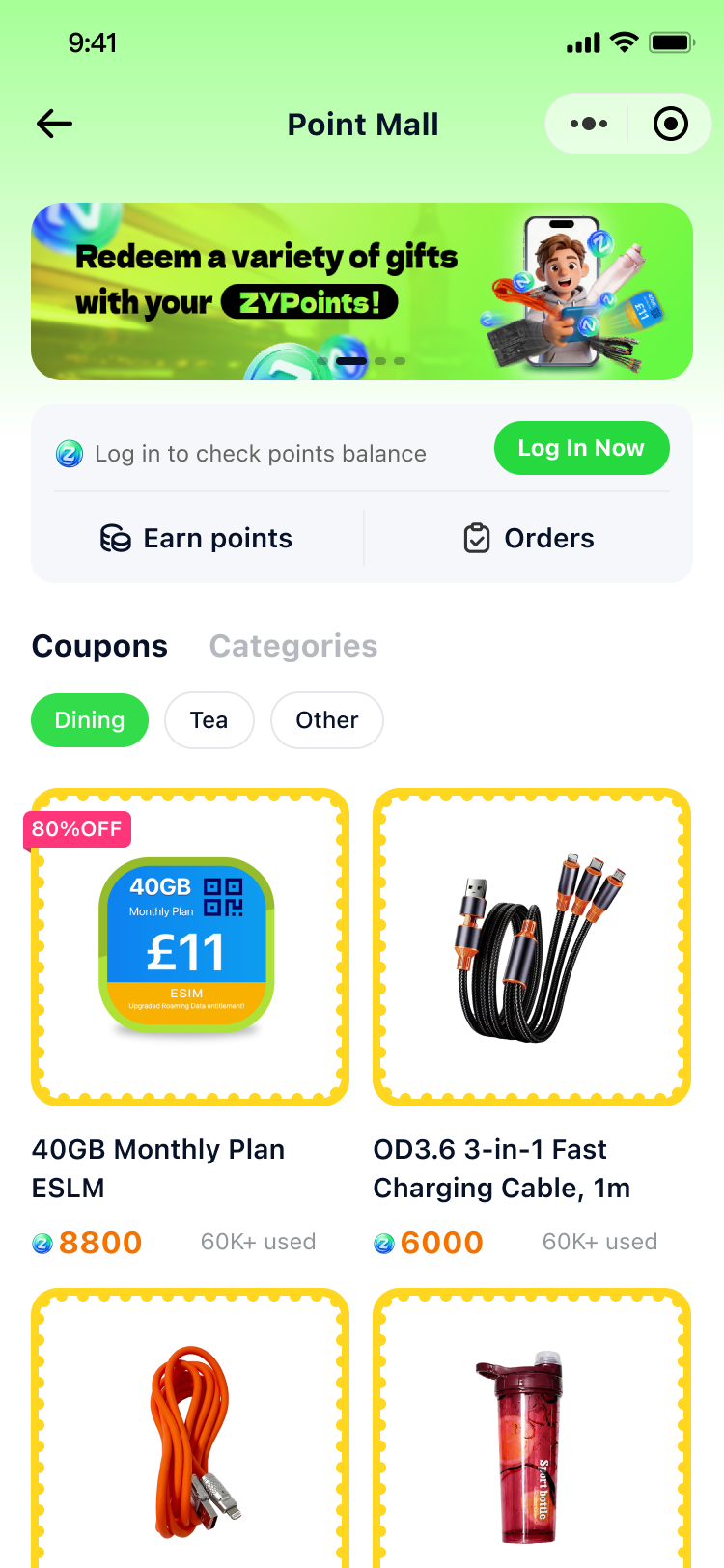
It is this thinking that led to the development of ZYMIX Point Mall.
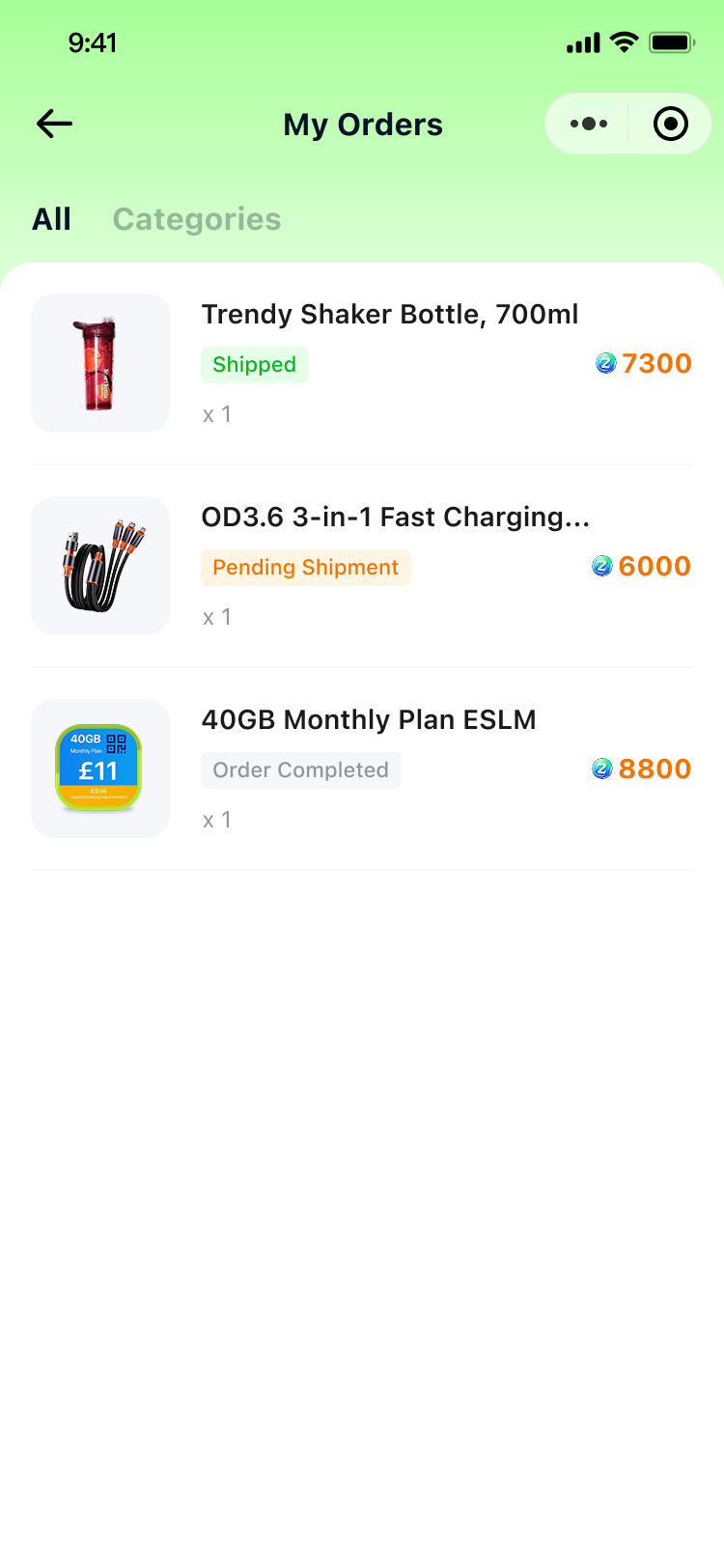
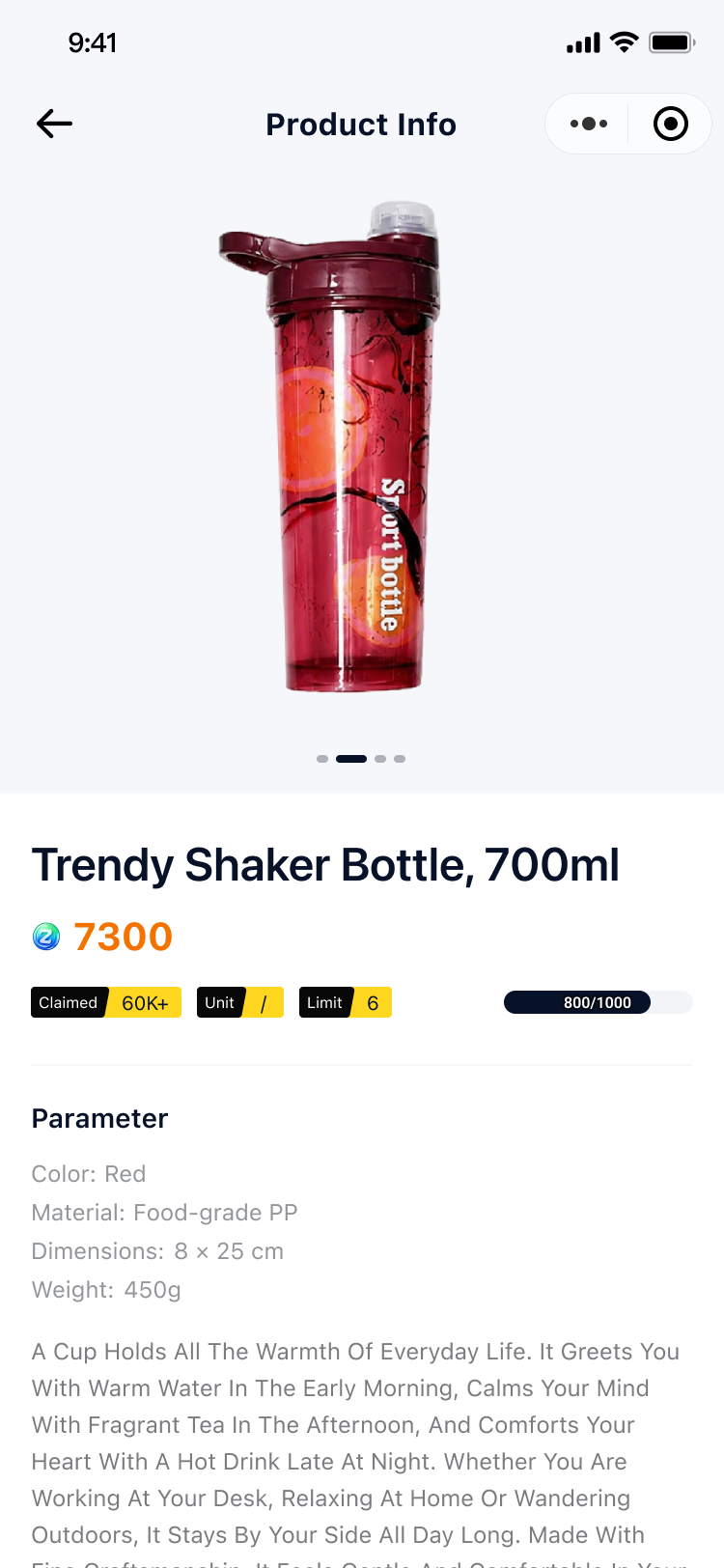
As a mini app within the broader ZYMIX ecosystem, Point Mall represents one of our answers to the growing fragmentation of digital life. Rather than requiring users to leave conversations, communities or planning activities in order to complete a purchase elsewhere, Point Mall will enable commerce to become a natural extension of the broader ZYMIX experience. Whether users are discussing weekend plans, organising events, engaging with communities or discovering products through recommendations and conversations, they can remain within the same connected environment.
The significance of mini apps extends beyond convenience. They allow users to access specialised services precisely when needed, without creating another icon on a crowded home screen, another account to manage or another platform to navigate. In many respects, ZYMIX mini apps represent the natural evolution of digital services, providing focused functionality within a larger ecosystem designed around the user rather than the platform.
The opportunity, therefore, is not simply to improve the shopping experience. The opportunity is to eliminate unnecessary digital friction altogether.
For a generation that increasingly values immediacy, convenience and seamless experiences, the most compelling platforms will not be those that offer the greatest number of features, but those that bring those features together in a way that feels intuitive, interconnected and effortless. Through Point Mall and the wider ZYMIX ecosystem, we are building towards a future in which commerce is no longer a separate destination, but a natural component of everyday digital life.
As consumers continue to navigate increasingly complex digital lives, the platforms that create the greatest value will be those that successfully unify experiences that have historically existed in isolation. The next generation of digital leaders will not be defined by the number of services they offer, but by their ability to bring those services together in a way that feels intuitive, seamless and interconnected.
In an economy increasingly defined by attention scarcity, time constraints and digital overload, the most meaningful innovation may not be the creation of another application, but the creation of an ecosystem that removes the need for so many of them.
That is the future ZYMIX is building towards, and Point Mall represents an important step in transforming that vision into a practical reality for the next generation of connected living. Launching across UK universities in Autumn 2026, we invite you to join the first wave of users and get early access by downloading ZYMIX on the App Store or Google Play.