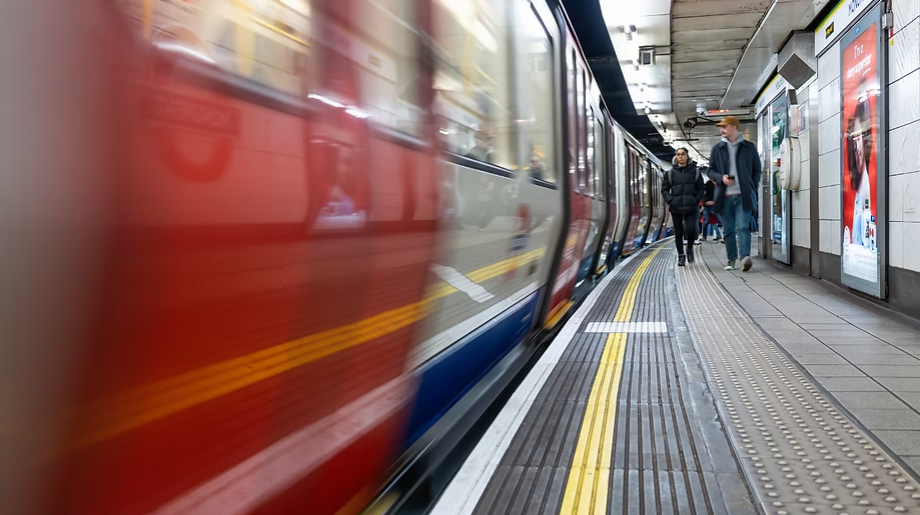
London transport can feel overwhelming at first, but once you understand the system, it becomes one of the easiest parts of living in or visiting the city. The network is wide, reliable, and built for different kinds of movement, whether that means a quick Tube journey to class, a bus ride across town, or a late return home after an event.
What makes London easier than many people expect is that you do not need to master every fare type in advance. For most people, using pay as you go with either a contactless card or an Oyster card is the simplest option, and it is usually cheaper than buying paper tickets.
That matters because most people do not travel through London in one fixed pattern.
Some days involve only one short journey. Other days include the Tube, buses, and rail in several different zones. The best way to use London transport is not by trying to predict every route perfectly, but by choosing a payment method that adjusts to the way the city actually works.
London's transport network includes the Tube, buses, trams, DLR, London Overground, Elizabeth line, river bus services, and most National Rail services within Zones 1 to 9. For everyday travel, the easiest payment methods are contactless and Oyster. Both work on a pay as you go basis, which means you only pay for the journeys you actually make.
Contactless and Oyster are the two main options
For most adults, the simplest choice is between a contactless bank card or device and an Oyster card. Both are widely accepted across the London network, and both can use the same broad capping system for pay as you go travel. That means the decision is less about which one is "officially better" and more about which one suits the way you travel and pay.
Paper tickets are usually the least practical option
Paper single and return tickets still exist, but they are usually more expensive than pay as you go. For anyone making more than one journey, or even just wanting flexibility through the day, they are rarely the best-value choice.
This is one of the most common London transport questions, especially for students and visitors. In most cases, contactless is the easier option because you can start using it immediately with a bank card or a mobile wallet on your phone or watch. Oyster still has advantages in some situations, especially if you want to keep travel spending separate or need access to certain discounts.
When contactless makes more sense
Contactless is usually the easiest choice if your bank card works smoothly in the UK and does not trigger extra overseas transaction fees. It removes one more thing to buy and manage, and it works well for flexible travel patterns across the week. For many people, it is the most low-friction way to use London transport.
When Oyster still has an advantage
An Oyster card can still be the better option if you want a separate travel budget, do not want to use your bank card directly, or need access to age-based or student-related discounts that are not available through ordinary contactless use. A standard Oyster card currently costs £10 before any travel credit or Travelcard is added.
One of the best parts of the system is that you do not need to calculate every fare manually. If you use pay as you go with contactless or Oyster, the system limits what you pay once your travel reaches the relevant cap.
Daily cap
A daily cap runs across a travel day from 04:30 to 04:29 the next day. Once you reach the cap for the zones and transport modes you have used, additional eligible journeys during that period do not cost extra.
Weekly cap
A weekly cap runs from Monday to Sunday. This is especially useful for students, commuters, and anyone making repeated journeys across the same zone range over the week.
Here is a simple view of the current adult caps for Tube, DLR, London Overground, Elizabeth line, and most National Rail services in London:
| Zone range | Daily cap | Weekly cap |
|---|---|---|
| Zone 1 only | £8.90 | £44.70 |
| Zones 1–2 | £8.90 | £44.70 |
| Zones 1–3 | £10.50 | £52.50 |
| Zones 1–4 | £12.80 | £64.20 |
| Zones 1–5 | £15.30 | £76.40 |
| Zones 1–6 | £16.30 | £81.60 |
If you only use buses and trams, the adult fare is £1.75, the daily cap is £5.25, and the weekly cap is £24.70.
Even though contactless and Oyster make payment simpler, fare levels are not identical at every time of day. On Tube and rail-based services, peak pricing still applies.
Peak times
Peak fares usually apply Monday to Friday, excluding public holidays, between 06:30 and 09:30, and again between 16:00 and 19:00. Off-peak fares apply at other times.
Night travel
Night Tube and London Overground Night Service journeys are charged at off-peak rates, which can make late travel slightly more affordable than daytime commuting.
Special routes
A few routes do not behave like standard London journeys. Heathrow Express and Southeastern high-speed are outside the normal caps, and Heathrow journeys can have different fare logic depending on route and whether Zone 1 is involved.
The system is simple once you know the rules, but a few small mistakes can make it more expensive than it should be.
Switching cards or devices
You should always use the same contactless card or the same device throughout a journey and across a capped travel period. If you tap in with your phone and tap out with a physical card, or switch between devices during the week, the system may not combine those fares properly.
Forgetting to tap out
On Tube, rail, DLR, London Overground, and Elizabeth line journeys, forgetting to tap out can trigger a maximum fare and stop that journey from counting correctly towards your cap. Buses and trams are different because they only require a tap in at the start.
Ignoring bank fees
If you are using a non-UK bank card, contactless can still work very well, but international transaction fees or conversion charges may apply. That is worth checking, especially if you are staying in London for more than a few days.
London becomes much easier to enjoy once transport feels automatic. That is especially true for students and younger Londoners, because social life, study, and work are often spread across different neighbourhoods.
Travel flexibility matters
A good transport setup means you are more likely to explore a new area, say yes to plans across town, or build a routine that is not limited to your nearest station. That flexibility is one of the biggest reasons London feels exciting once you start using it confidently.
Discounts still exist for some groups
Young people aged 16 and 17 can get free or discounted travel with a Zip Oyster photocard. Students aged 18 or over who live in a London borough can get discounted travel with an 18+ Student Oyster photocard. There are also other concession schemes for apprentices and some other groups.
Transport is what opens the city up. Once getting around becomes simple, London stops feeling like a collection of separate postcodes and starts feeling like one connected place.
That is where ZYMIX fits naturally. London transport makes it easier to move across the city. ZYMIX helps you decide where to go by making it easier to discover local events, neighbourhood activity, and experiences worth travelling for. When transport works well, the next step is using that freedom to get more out of London.
The smartest way to use London transport is to keep things simple. For most adults, that means using contactless or Oyster on a pay as you go basis, letting the cap system do the hard work, and avoiding the common mistakes that interrupt proper fare calculation. The basics are straightforward: use the same card or device, remember to tap out where required, and understand how your zone range and travel times affect what you pay. Once those parts are clear, moving around London becomes much easier and much better value.
What is the easiest way to use London transport?
For most adults, the easiest way is to use pay as you go with a contactless card or device, or with an Oyster card. It is usually cheaper than paper tickets and works across most of the transport network.
Is contactless better than Oyster in London?
For many people, yes. Contactless is usually easier because you can start using it straight away. Oyster still makes sense if you want a separate travel budget or need access to certain discounts.
How much is the daily cap on London transport?
The daily cap depends on the zones you travel through. For example, it is currently £8.90 for Zone 1 only and Zones 1–2, and £16.30 for Zones 1–6. Bus and tram only travel is capped at £5.25 per day.
Do I need to tap out on London transport?
Yes for Tube, rail, DLR, London Overground, and Elizabeth line journeys. No for buses and trams, where you only tap in at the start.
Can I use my phone for London transport?
Yes. You can use a mobile device such as a phone or watch, as long as you use the same device consistently for the whole journey.